Building America's first
national fleet-reconditioning
company.
33 years of reconditioning mastery, now applied to the fleets that move America. FRS delivers fast, one-stop fleet reconditioning through local repair facilities and a repeatable operating model built for national scale.
Six locations.
Four states.
Profitable.
Sticky, recurring fleet relationships rather than one-off jobs. Once FRS becomes part of a fleet's reconditioning cycle, the relationship is built around recurring operational needs.
Operating markets
- Costa Mesa, CASouthern California
- Dallas, TXDFW Metroplex
- San Antonio, TXSouth Texas
- Houston, TXGulf Coast
- Portland, ORPacific Northwest
- Tacoma, WAPuget Sound
Last-mile delivery exploded.Reconditioning didn't keep up.
- 01Millions of commercial vans operate across U.S. fleets, accumulating damage and wear every day they run.
- 02Traditional body shops are built around insurance collision work, not fleet-specific workflows.
- 03Conventional repair can take weeks, and every day out of service carries an operational cost.
- 04The reconditioning market remains highly fragmented, with no dominant national operator.
Typical conventional body-shop turnaround, per FRS management.
FRS target turnaround per qualifying vehicle.
Built around the economics of fleet operations.
Every repair is measured against the metric fleets actually care about: vehicles back in service, fast.
Lower Cost
FRS management reports reconditioning costs can run 30–50% below traditional body-shop costs for applicable work.
Faster Turnaround
FRS targets 3–5 days per vehicle for qualifying reconditioning work, not multi-week conventional repair cycles.
Local, One-Stop
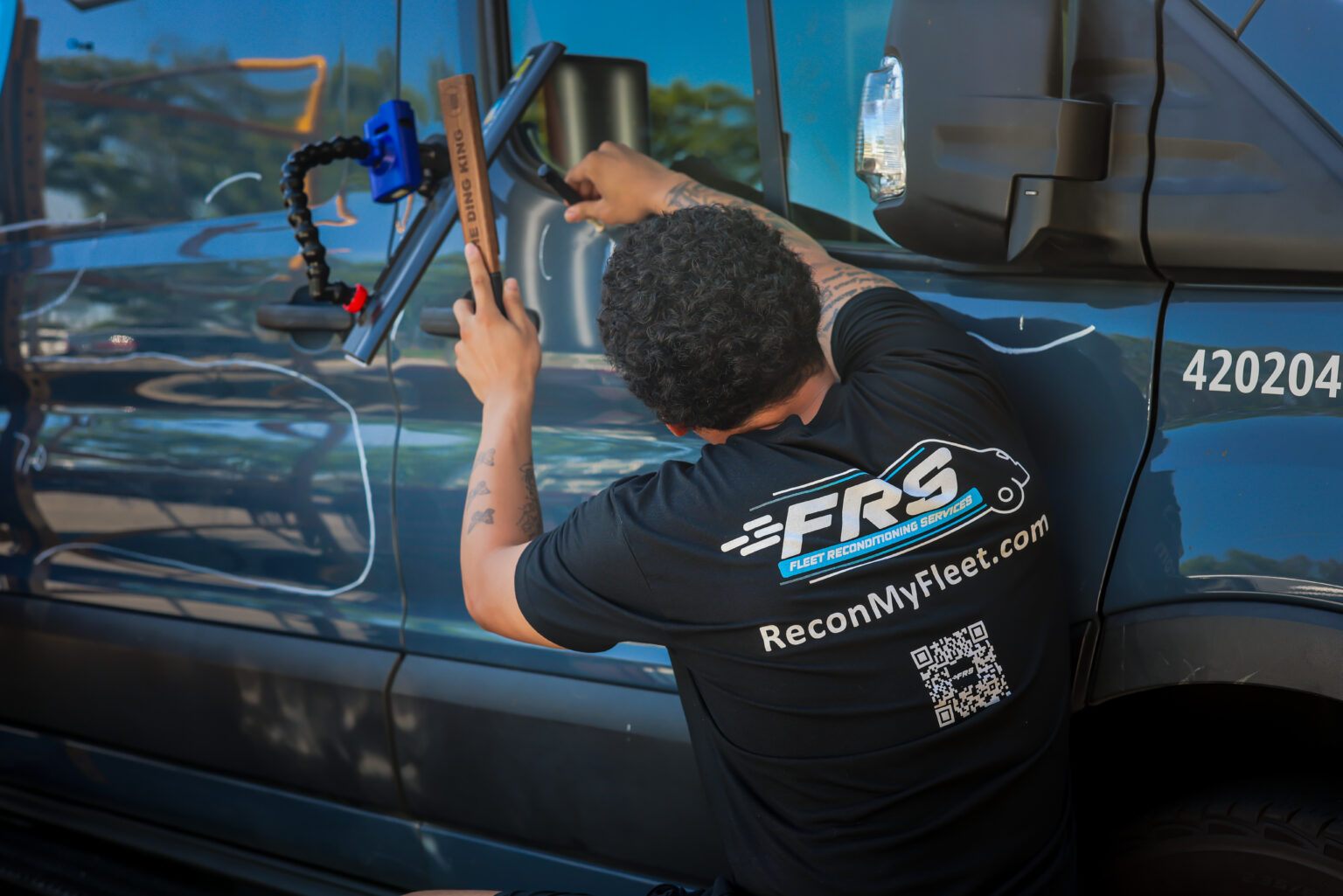
Collision-related cosmetic damage, wear and tear, redeployments and retirements handled through a single accountable partner.
Reduced Logistical Friction
Local FRS repair facilities and valet pickup/delivery eliminate the employee time lost shuttling vehicles across town to and from distant repair shops.
Fleet-Specific Operations
Built specifically around commercial fleet workflows, rather than treating fleet work as secondary to insurance collision repair.
Multi-Market Potential
A single fleet relationship can extend across multiple operating territories as the network grows.
Fleet services built around uptime.
One accountable partner across the full spectrum of fleet reconditioning, focused on operational outcomes, not repair techniques.
The category is forming.
The first-mover window is closing.
Last-Mile Growth
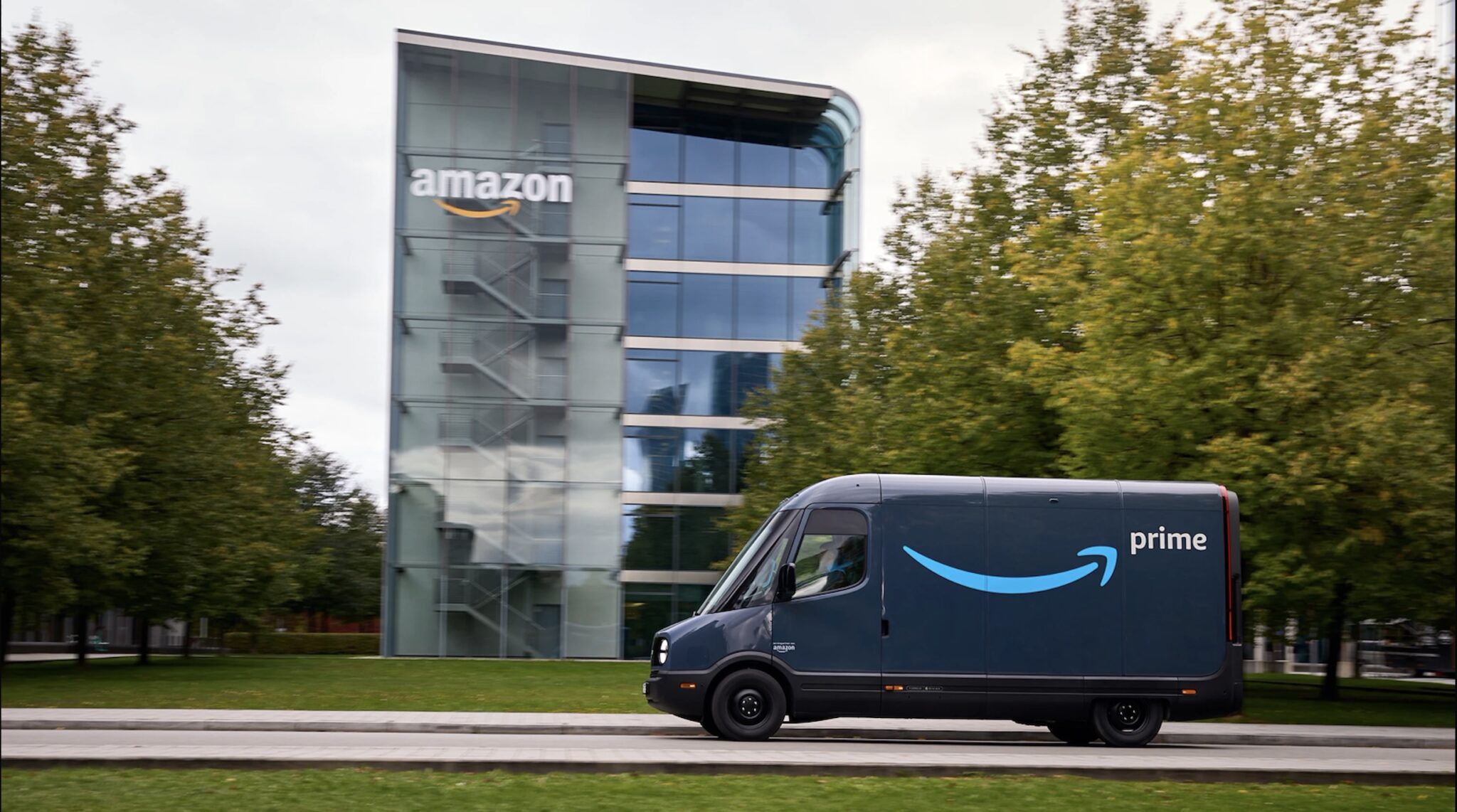
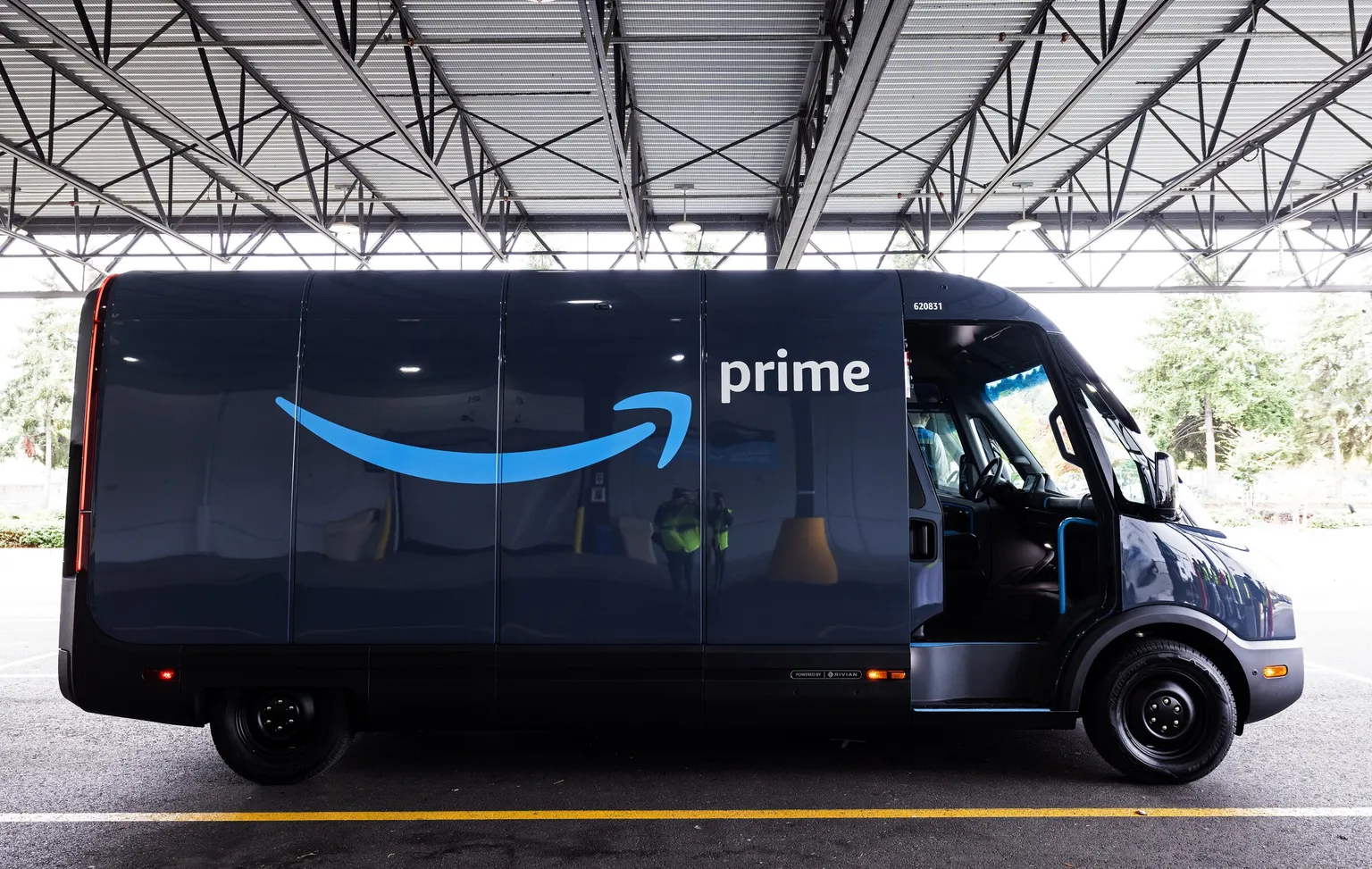
Commercial delivery fleets operated by Amazon DSPs and other parcel, logistics and enterprise operators create continuing demand for fleet maintenance and reconditioning.
EV Fleets Are Reshaping Repair
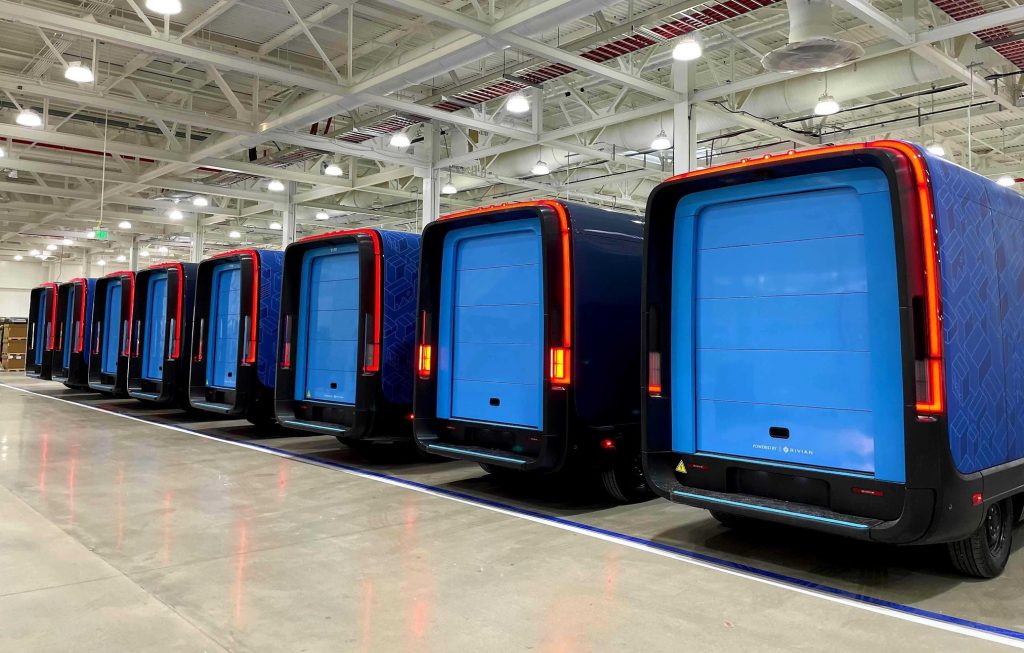
New commercial EV platforms such as Rivian EDVs, Ford E-Transit and Mercedes eSprinter are changing fleet composition and repair requirements.
The Body-Shop Gap
Traditional collision facilities frequently prioritize insurance work, producing turnaround times incompatible with high-utilization commercial fleets.
First-Mover Opportunity
FRS management believes the national fleet-reconditioning category remains fragmented, without a dominant national operator.
FRS isn't waiting for the category to form. It's already building the platform.
Momentum is accelerating.
Founding
Fleet Reconditioning Services founded in Q2 2024.
Multi-Market Growth
Expanded into four additional markets, scaling to six locations across four states.
Scaling
Management projects continued rapid revenue growth and improving operating margins as systems standardize across the network.
2025 results reported by management. 2026 is a management projection, not a historical result.
One contract.
Every territory.
The growth opportunity isn't simply one location at a time. Relationships with national fleet organizations can unlock recurring reconditioning work across multiple U.S. markets at once.
National fleet relationship
Market 01 · 02 · 03 · 04 · 05 …
Local FRS operations
Standardized service delivery
Recurring fleet reconditioning
6 locations today
30 locations by 2030
30 locations by 2030 is a management growth target, not an accomplished fact.
Customer-by-customer.
Market-by-market.
Nationwide.
Prove it once.
Repeat it everywhere.
Each FRS market is designed around a repeatable operating model, the same playbook, systems and operating discipline deployed into the next metro.
Standardized Operations
One operating workflow, consistent processes, fleet-specific pricing and PAVE-fluent service delivery designed to hold quality steady from market to market.
Repeatable Economics
Management’s objective is for each market to operate around proven location-level economics that can be reproduced as the network expands.
Powered by veterans.
Built to scale.
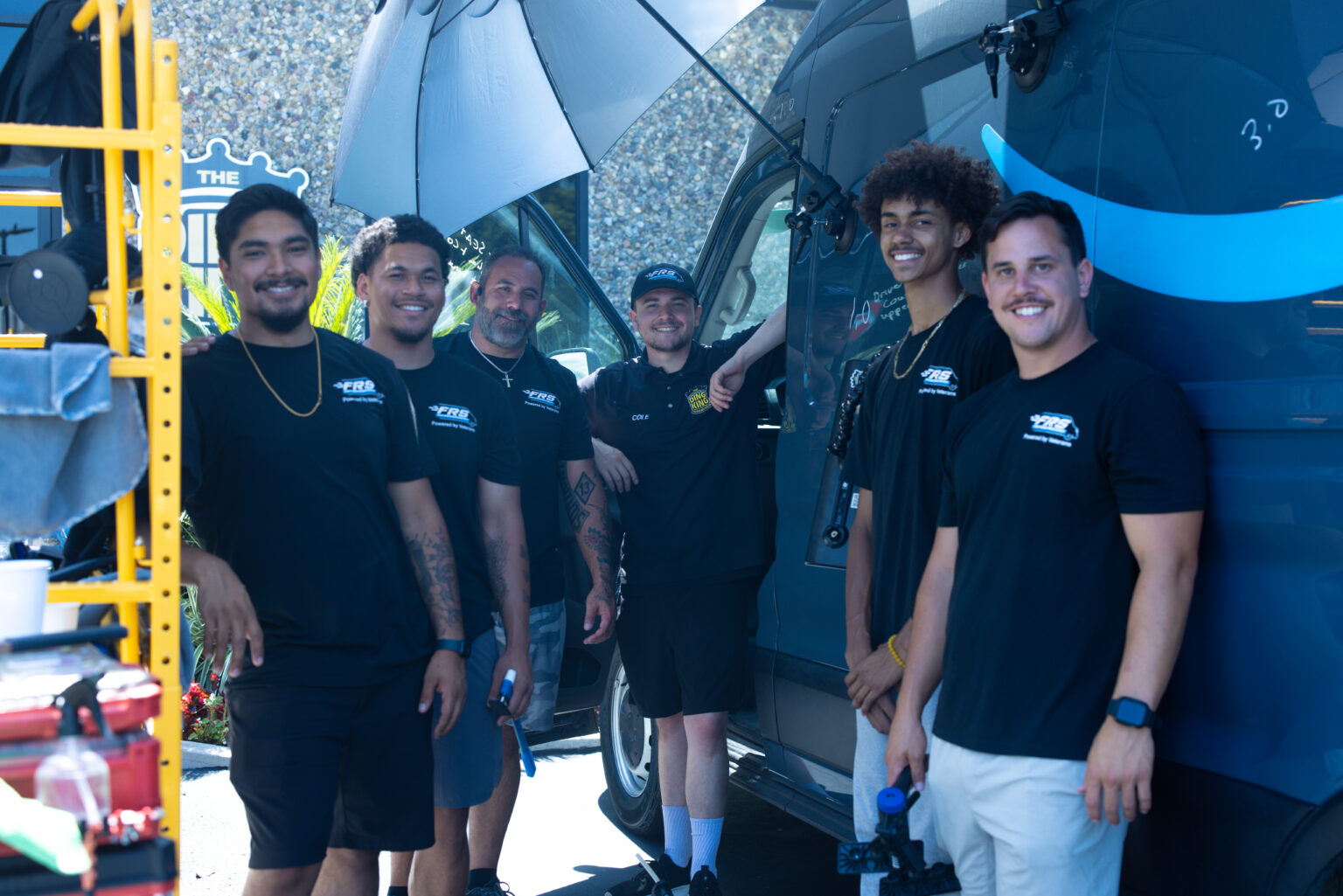
This isn't only a mission: it's a workforce strategy. Scaling a skilled-service business requires a repeatable way to create skilled technicians.
= A repeatable technician pipeline
- Technician quality
- Career development
- Market expansion
- Consistent service standards
- Local operating capacity
Two generations.
One craft.
For more than three decades, Todd Sudeck built The Ding King Training Institute into a recognized authority in paintless dent repair and technician training, having trained thousands of technicians and helped establish standards across the reconditioning trade. That experience now powers Fleet Reconditioning Services.
The Ding King
- 33 years
- Thousands of technicians trained
- Reconditioning expertise
- Todd Sudeck
Fleet Reconditioning Services
- Fleet-specific reconditioning
- Multi-market operations
- National growth strategy
- Blake Sudeck
Same family. Same standard. A much larger opportunity.
Growth through strategic alignment.
One verified relationship, shown well, matters more than a wall of logos. The Ding King Training Institute is central to how FRS scales.
The Ding King Training Institute
For more than three decades, The Ding King Training Institute has been a recognized authority in paintless dent repair and technician training, having trained thousands of technicians and helped establish standards across the reconditioning trade.
Why it matters: Training capacity is the true constraint on geographic expansion. The Ding King gives FRS a repeatable way to develop certified reconditioning technicians, market by market, without compromising quality.
- Training
- Technician Development
- Certification
- Reconditioning Expertise
- Workforce Pipeline
FRS is PAVE-fluent and uses PAVE-related inspection information to standardize damage assessment and documentation. FRS does not represent PAVE as a formal strategic partner.
Family-founded. Veteran-powered.
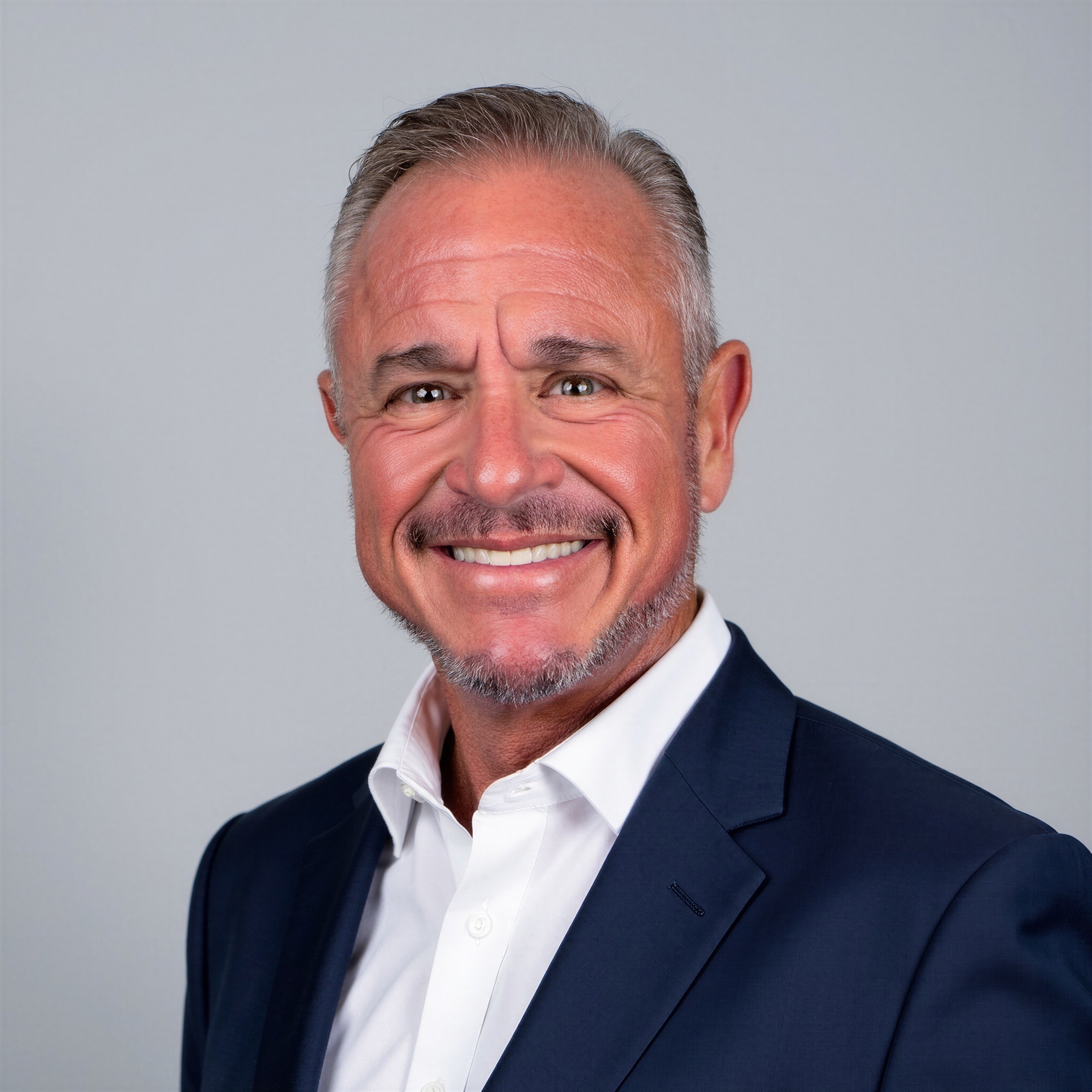
Todd Sudeck
Chairman, Co-Founder & CEO
Todd brings the operating discipline, financial rigor and technical standards developed through more than 33 years in the trade, having built The Ding King Training Institute into a recognized authority in reconditioning and technician training.
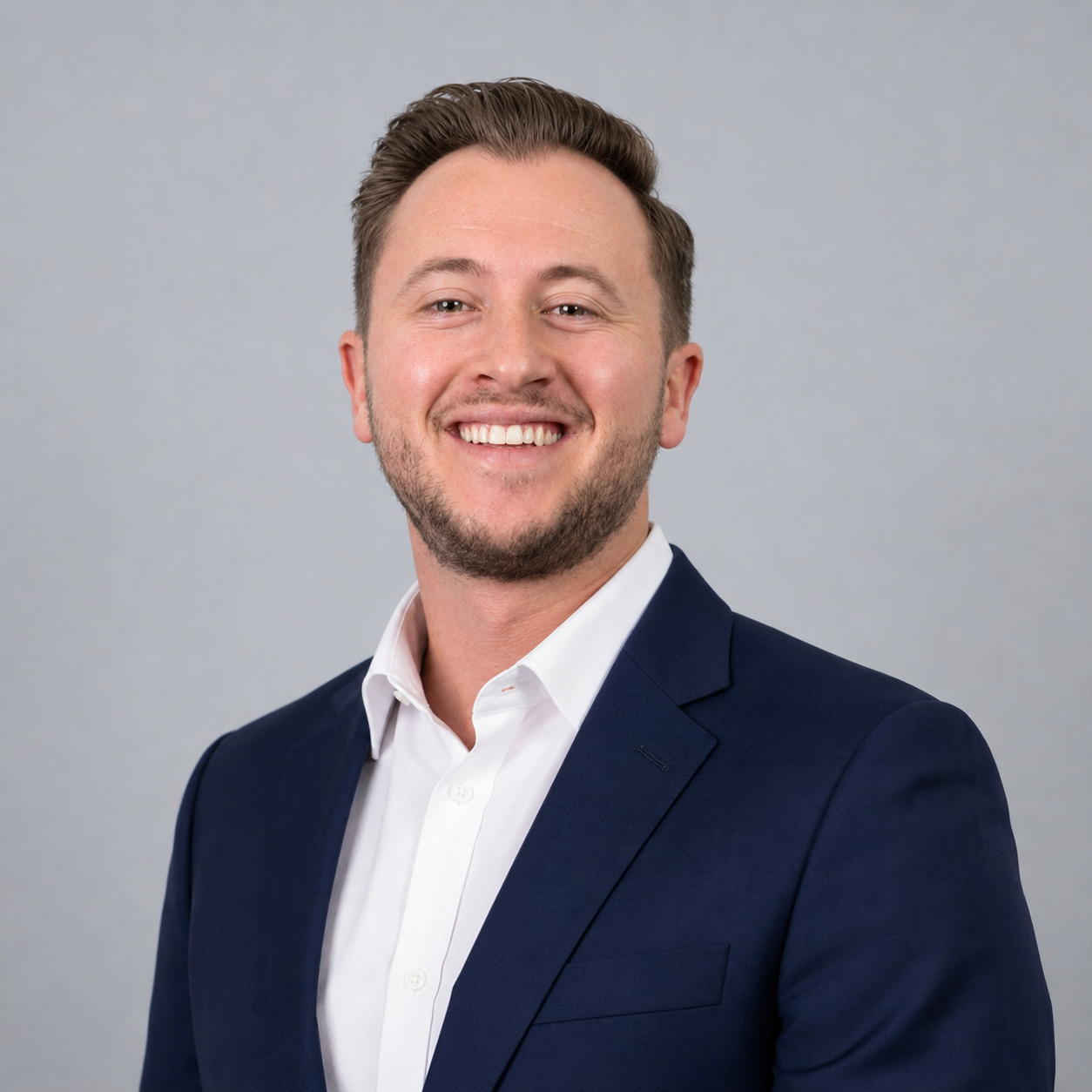
Blake Sudeck
Co-Founder & President
Blake built Fleet Reconditioning Services from the ground up into a six-location operation across four states. He leads customer relationships, growth strategy and Amazon/DSP execution.
Built on a 33-year reputation for doing the work right.
Three principles.
No exceptions.
Go to Bedrock
Every plan, promise and number gets stress-tested before it’s made.
We Mentality
Customers, technicians, leaders and partners operate as one team.
Always Show Up
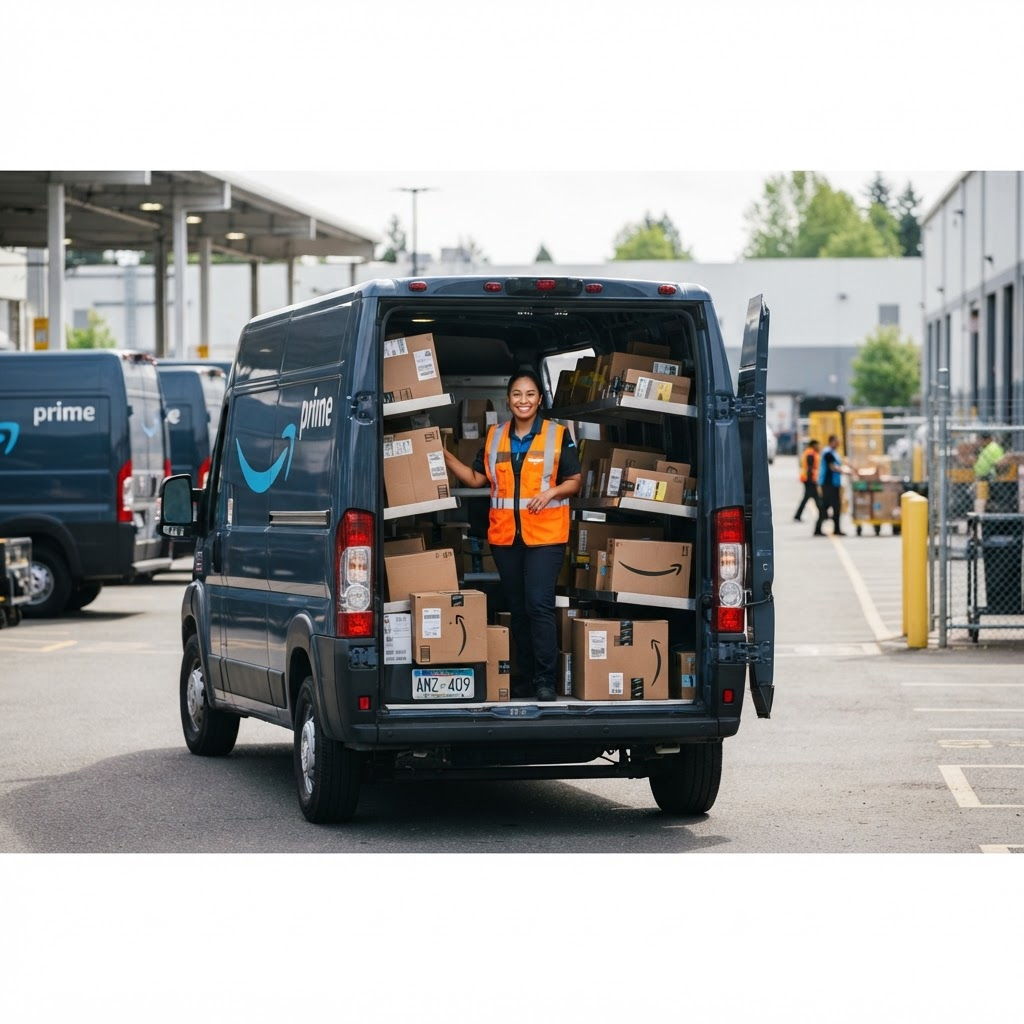
FRS doesn’t wait for fleet problems to arrive; its teams go into the yard, onto the ground, and do the work.
A hard-working, honest culture built around careers, accountability and execution.
A proven operating model.
A national opportunity.
FRS is building the infrastructure, workforce and fleet relationships required to transform a fragmented regional service category into a scalable national platform.
Proven Operations
Six locations across four states.
Traction
6 Locations · 4 States · 150+ DSP Fleet Customers
Repeatable Model
Standardized market operations designed to replicate.
Recurring Demand
Fleet reconditioning is an ongoing operational requirement, not a one-time transaction.
Workforce Engine
Training and technician development that support expansion.
National Opportunity
Management believes the category is fragmented and lacks a dominant national operator.
Fleet reconditioning services built for commercial operations.
Fleet Reconditioning Services (FRS) is a national fleet reconditioning company that restores the appearance and condition of commercial vehicles so they stay presentable, hold their value, and keep earning. Fleet vehicle reconditioning covers everything from paintless dent repair for fleets and paint and cosmetic restoration to full-lifecycle reconditioning for redeployment and remarketing, delivered as one standardized program instead of a patchwork of one-off body-shop visits.
Why fleet operators use specialized reconditioning companies
A traditional collision shop is built to repair a single vehicle at a time, on its own schedule. That model breaks down for a fleet, where dozens or hundreds of branded vehicles accumulate dents, scuffs, and everyday wear that rarely justify a multi-week body-shop cycle. Specialized commercial fleet repair exists to solve exactly that: right-sizing each repair to the actual damage, applying a consistent standard across the whole fleet, and protecting both resale value and brand presentation at a predictable cost.
How FRS reduces fleet downtime
Every day a vehicle sits in a repair queue is a day it is not on route. FRS is engineered around minimizing fleet downtime: most qualifying reconditioning work is completed in 3 to 5 days rather than the weeks common at conventional shops. Standardized, technology-assisted inspection produces objective damage documentation, so scope and cost are predictable before work begins and vehicles return to service fast.
How local FRS repair facilities work
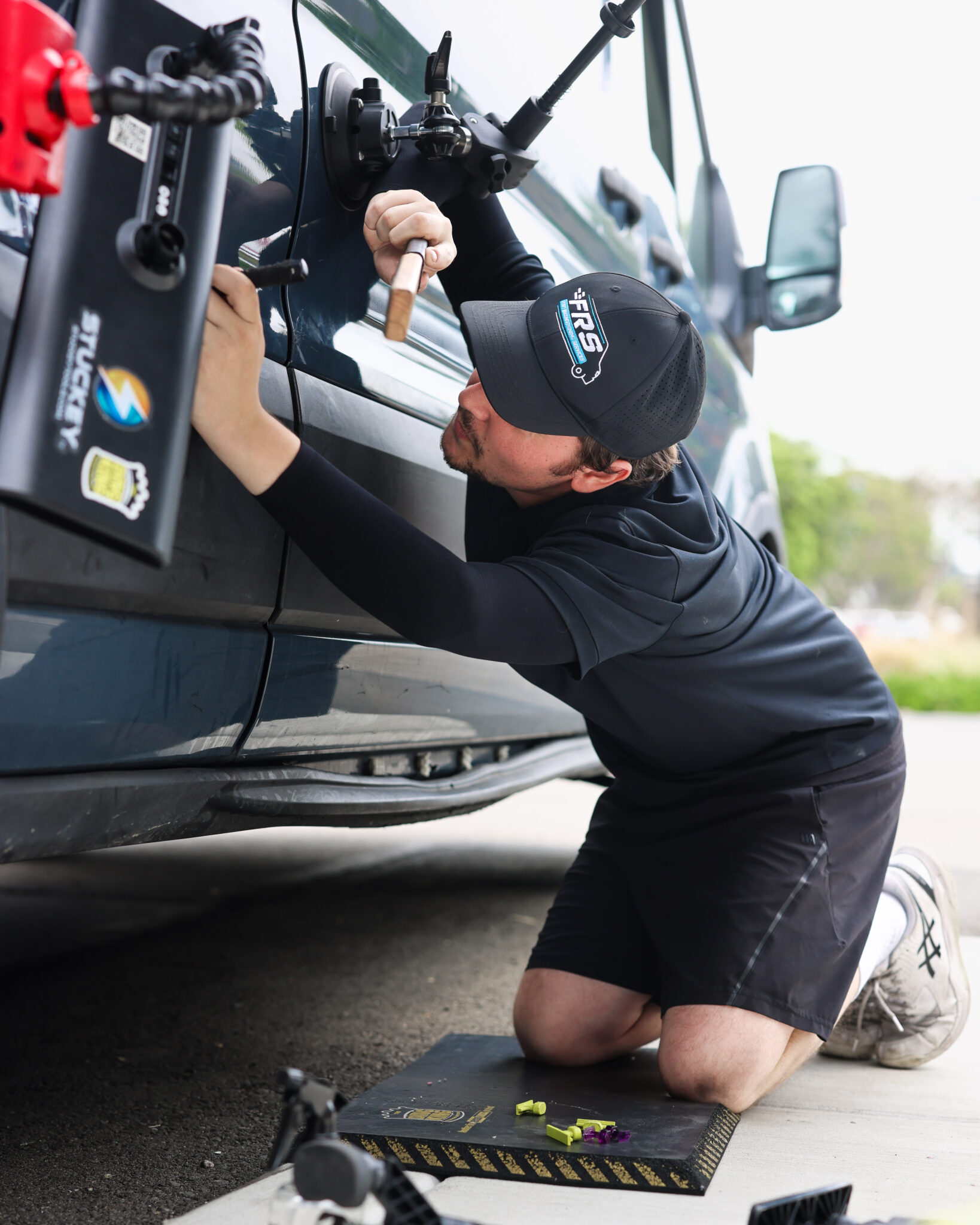
Through local FRS repair facilities, FRS concentrates certified technicians and equipment close to the fleets it serves. Qualifying fleet repair is handled at a nearby facility, and coordinated valet pickup and delivery removes the staff hours normally lost shuttling vehicles back and forth. Work is scheduled around operations, so routes stay covered while reconditioning gets done.
Why fleet operators choose FRS over traditional body shops
FRS pairs decades of reconditioning craft with an operating model built for scale. For last-mile and Amazon DSP vehicle repair, leasing companies, and corporate fleets, that means one accountable partner, consistent quality in every market, and a clear path to reduce fleet repair costs while keeping vehicles on the road. Explore the full range of fleet maintenance solutions or talk to our team about your fleet.
Answers for fleet operators.
Clear, direct answers to the questions commercial fleet operators ask most about reconditioning, local repair facilities, cost, and turnaround.
- What is fleet reconditioning?
- Fleet reconditioning is the specialized process of restoring the appearance and condition of commercial vehicles (repairing dents, cosmetic damage, paint, and everyday wear), so they stay presentable, retain resale value, and remain in service. Unlike a traditional body shop that handles one vehicle at a time, a fleet reconditioning company like FRS applies a standardized, repeatable process across an entire fleet, through local FRS repair facilities and at scale.
- How do local FRS repair facilities work?
- FRS operates local repair facilities positioned close to the fleets it serves, so vehicles travel a short distance instead of being sent out to a distant body shop. FRS schedules work around your operation, completes qualifying repairs such as paintless dent repair and cosmetic restoration at a nearby facility, and offers valet pickup and delivery to eliminate tow time, shop queues, and lost route days.
- How much can fleet operators save with reconditioning?
- Reconditioning is typically a fraction of the cost of conventional body-shop repair because it right-sizes the fix to the actual damage and avoids full-panel replacement and repainting. Operators also save indirectly by reducing vehicle downtime, recovering more value at lease turn-in and remarketing, and cutting the administrative overhead of coordinating multiple repair vendors.
- How quickly can fleet vehicles be repaired?
- Many qualifying reconditioning repairs are completed in 3 to 5 days, compared with the multi-week cycle common at traditional collision shops. Because FRS works from local repair facilities and standardizes its process, vehicles spend less time off the road and more time generating revenue.
- Does FRS service commercial delivery fleets?
- Yes. FRS specializes in commercial delivery fleets, including last-mile and Amazon DSP operations, as well as leasing companies, corporate fleets, and vehicle remarketers. The FRS model is built specifically for high-utilization branded vehicles that cannot afford long repair downtime.
Let's Build This
A 33-year family reputation. A proven fleet operating model. A veteran-powered workforce. Six locations today, and a national opportunity ahead.
Help build the national fleet-reconditioning ecosystem.
Explore multi-market fleet reconditioning.